 Blazing Trails K9 Academy
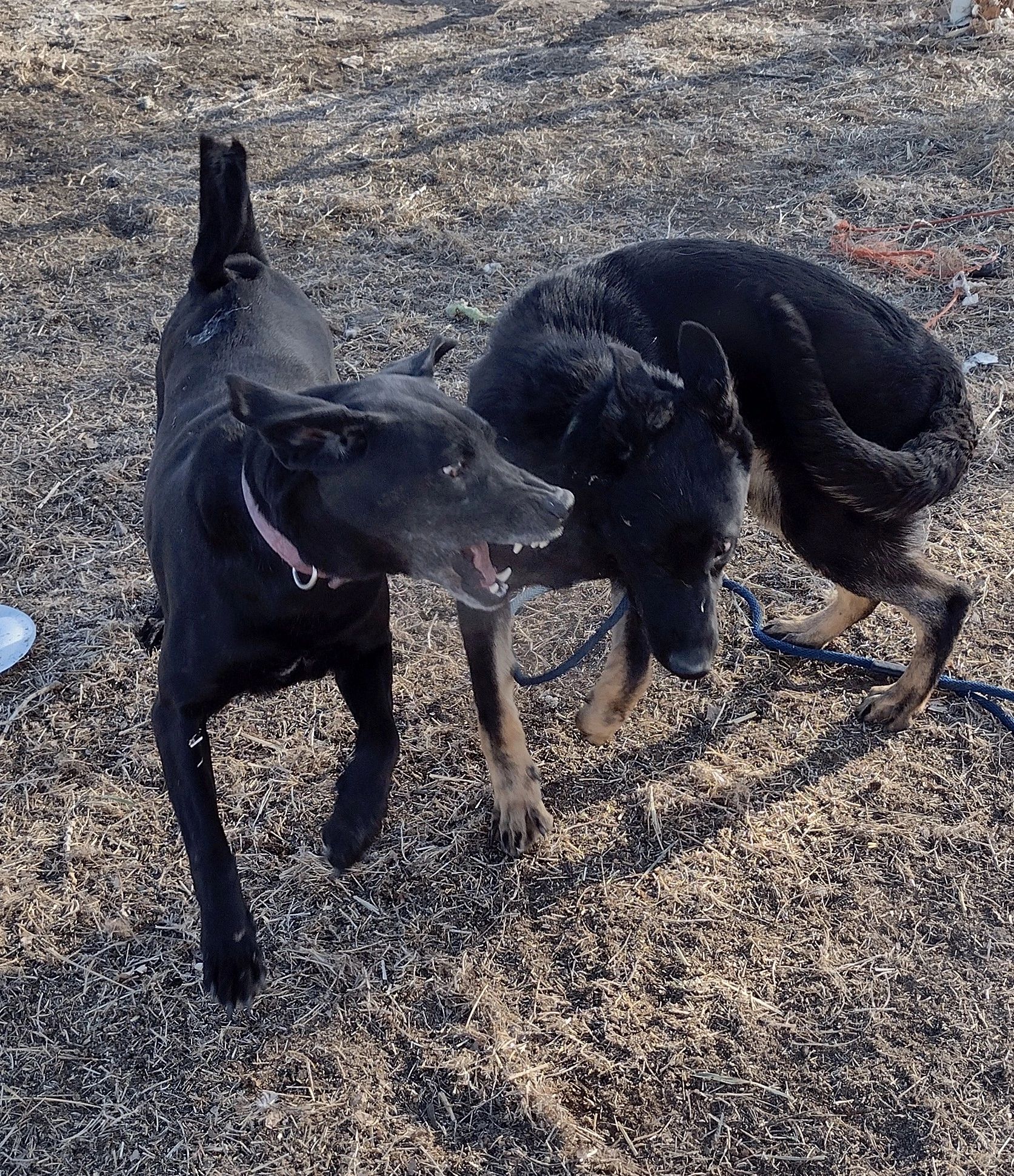
Let me start by saying something that might surprise you coming from a dog trainer with forty years of experience. I used to love the dog park. I took my Malinois shepherd mix Maverick there regularly when dog parks first started becoming a thing in the early 2000s. There was a beautiful ten acre park near us and we loved it. The space, the freedom, the joy of watching a dog just...run.
I want you to remember that as you read the rest of this.
What happened
The first time Maverick was attacked I was alone in the park on a rainy day. Nobody else around. Then a large pit bull came charging across that ten acres...because someone had decided to simply drop their dog off for the day and leave. I had a fight on my hands by myself. I managed to handle it but it left marks on both of us.
I went back because we loved it. And Maverick was attacked two more times after that.
Three separate attacks. And every time the common thread was the same - I could train my dog, I could read the room, I could try to steer clear of trouble. What I could not do was control other people. Particularly the clueless ones!
Eventually I had to make a decision. No matter how much we loved the dog park...I couldn't keep putting Maverick in a situation where his safety depended on the judgment of strangers.
What I've seen over the years
In the years since I have watched dog parks from the outside as a trainer and what I've seen has only confirmed my concerns.
I've watched people bring dog aggressive dogs to the park to "socialize" them...foisting an unknown risk onto every other dog and owner there. I've seen a so called trainer who fancied herself a dog whisperer taking dogs with completely unknown dog to dog history into the park to "test" them. I've been bitten breaking up a fight at a dog park -- the one time I reluctantly agreed to train there -- while the other dog's owner sat on a bench reading a paper. He walked over afterward, shrugged, and left. Me standing there with a puncture wound.
I've watched budding fights erupt almost daily at a park near where I used to train, arousal building quietly among the dogs while owners stood in clusters chatting, completely unaware of what was about to happen. And I've watched dogs become adrenaline junkies...dogs who go to the park every day, get completely overstimulated, and slowly stop listening to their owners anywhere because nothing in their life competes with that daily rush.
The honest truth about dog parks
The problem with dog parks isn't the idea. The idea is genuinely good -- open space, off leash freedom, social interaction, exercise and enrichment. Dogs need those things and their owners want to provide them.
The problem is the execution. Most dog parks are essentially unregulated spaces where the experience your dog has depends entirely on who else showed up that day and how much those people know about dog behavior. Which in many cases...is not much!
There are no behavior requirements to enter. No screening process. No one monitoring what's happening or asking someone to leave when their dog is clearly over threshold. The burden of keeping your dog safe falls entirely on you...and on the hope that everyone else there is doing the same.
There is also a gap worth acknowledging between the human experience at a dog park and the dog experience. An owner can have a genuinely lovely time - fresh air, good conversation, a relaxing hour with their community - while their dog is being repeatedly bullied in the corner, or doing the bullying, and neither of them know it. A decent experience from where you're standing and a decent experience from where your dog is standing are not always the same thing. Dog body language is a language most people haven't been taught to read...and dog parks don't come with anyone to translate.
And then there is the confidence problem. Many dog park regulars have had dogs their entire lives and genuinely believe that experience makes them fluent in dog behavior. It doesn't. Having dogs all your life makes you familiar with your own dogs...it doesn't necessarily teach you to read the body language of a strange dog in an aroused environment making decisions in real time. The owner who has had dogs for twenty years and the owner who got their first dog six months ago may have equally blind spots when it comes to recognizing what is actually happening between the dogs in front of them.
Most of the time it works out fine. But sometimes it doesn't. And the times it doesn't can leave lasting marks.
What makes a dog park worth the risk
I'm not here to tell you never to go. If you love your dog park and your dog does well there I am genuinely glad for you. But here is what I'd want you to know before you go or before you decide whether it's right for your dog.
Watch before you enter. Spend a few minutes outside the fence observing the energy level and the interactions. If something looks tense or chaotic before your dog even gets in there...trust that instinct and come back another time.
Know your dog honestly. A dog that is dog selective, reactive, or has had negative experiences with other dogs is not a candidate for an off leash dog park no matter how much you want it to work. That's not giving up on your dog. That's protecting him.
And then there is the sanitation issue that doesn't get talked about nearly enough. Dog parks are a common transmission point for parasites like giardia and coccidia, and in areas with lower vaccination rates even parvo is a real concern. You have no way of knowing the health status of every dog that has used that space. If you do take your dog to a park make sure vaccinations are current and keep an eye out for any digestive symptoms afterward. This is particularly important for puppies and senior dogs whose immune systems are more vulnerable.
Watch the other owners as much as you watch the dogs. Are they paying attention? Are they intervening when their dog gets pushy? Are they on their phones while their dog is causing problems for everyone else? The owners tell you almost as much as the dogs do.
Leave before trouble starts. Learn to read the early signs of arousal and conflict -- stiff body language, hard stares, dogs ganging up on one dog, play that is becoming one sided. Don't wait for a fight to decide it's time to go.
And if your dog comes home from the dog park wound up, unable to settle, and progressively less responsive to you over time...that daily adrenaline hit may be working against everything you're trying to build.
Size matters more than people realize
A small fenced run packed with dogs is not a dog park...it is a pressure cooker. Dogs need room to move away from each other, to disengage, to self regulate. When that space doesn't exist the arousal builds faster, conflicts escalate more quickly, and there is nowhere for a stressed dog to go. A thoughtfully designed dog park needs adequate space per dog or it creates more problems than it solves.
This matters particularly for those of us in the basin where the conversation about dog parks comes up regularly. Every time a new park is proposed the comments fill up with people asking for a dedicated dog space...and I understand that completely. Open space exists here...but demand matters too. A small run with heavy daily use is a very different proposition than a ten acre park with room to breathe. If we are going to build something worth having I would love to see it done thoughtfully -- adequate space, clear rules that are actually enforced, size separations at minimum, and a culture where owners understand that bringing your dog to a shared space comes with shared responsibility.
Done right a dog park can be a real asset to this community. Done carelessly it becomes the thing I described above...a space where your dog's safety is a matter of luck.
I want better than luck for your dog.
A lower risk alternative worth knowing about
If you are looking for off leash socialization and exercise without the unpredictability of a public dog park, structured freeplay and large field socialization classes offered through a qualified trainer are worth looking into. They provide the social interaction and off leash freedom dogs need in an environment where someone with a trained eye is actually watching what is happening. Not a perfect solution for every dog...but a meaningful middle ground for many.